
Scan, Swipe, Sip: UX as Instant Expertise
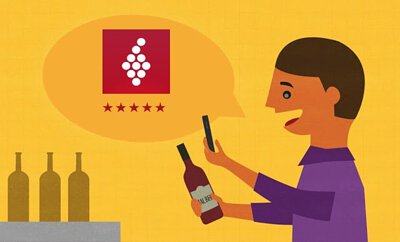
Vivino’s core interaction is elegantly straightforward. Open the app, scan a wine label, and within seconds you’re presented with aggregated ratings, tasting notes, average price, and food pairing suggestions. The label recognition is fast and generally accurate, even under dim restaurant lighting—a real-world detail that matters.
The interface balances density and accessibility. Ratings are front and center, usually expressed on a five-point scale drawn from millions of user reviews. Scroll further and you’ll find community tasting notes highlighting common descriptors like “blackberry,” “oak,” or “vanilla.” For casual drinkers, this creates a shared vocabulary without requiring formal wine education.
The app also functions as a personal cellar log. Users can rate wines, save favorites, and track bottles they’ve tried. Over time, this builds a profile of taste preferences. That historical layer is where Vivino moves beyond a one-off scanner and becomes a long-term companion.
Discovery features suggest similar wines based on your ratings and browsing behavior. This recommendation engine isn’t mystical; it’s collaborative filtering applied to a massive dataset. But for users navigating unfamiliar regions or varietals, it provides a practical shortcut.
There are limits. Community-driven ratings can skew toward popular, widely distributed wines, while niche or boutique producers may have fewer reviews. And like any crowdsourced system, subjectivity plays a role. A 4.2 rating reflects consensus, not universal truth.
Data, Personalization, and the Commerce Layer
The recommendation system becomes more refined as users log ratings. Behind the scenes, Vivino aggregates behavioral data—what you scan, what you save, what you buy—and aligns it with patterns across its global user base. The result is a feedback loop: the more you engage, the more tailored the suggestions.
Vivino also provides pricing insights, showing average market prices and highlighting deals. For consumers wary of overpaying in retail settings, this transparency is empowering. It subtly shifts bargaining power toward the buyer.
Community features add a social dimension. Friends can follow each other, compare ratings, and share discoveries. While not a full-fledged social network, this layer reinforces trust. A wine rated highly by someone whose taste aligns with yours often carries more weight than a generic score.
However, Vivino is not a professional wine database in the mold of trade-focused platforms. It prioritizes accessibility over exhaustive technical detail. You won’t find deep viticultural analysis or vintage-by-vintage breakdowns for every bottle. For enthusiasts seeking academic depth, it complements rather than replaces specialist resources.
Market Signals and Strategic Trade-Offs
| Pros | Cons |
| Fast and accurate label scanning | Community ratings can favor mainstream wines |
| Massive global user review database | Limited deep technical analysis for experts |
| Personalized recommendations over time | E-commerce availability varies by region |
| Transparent pricing insights | Relies heavily on user-generated data quality |
Vivino occupies a unique position between consumer app and wine marketplace. It lowers the intimidation barrier of wine shopping while building a data-driven ecosystem around taste.