
The Illusion of Continuity: Memory, Voice, and the Immersive UX
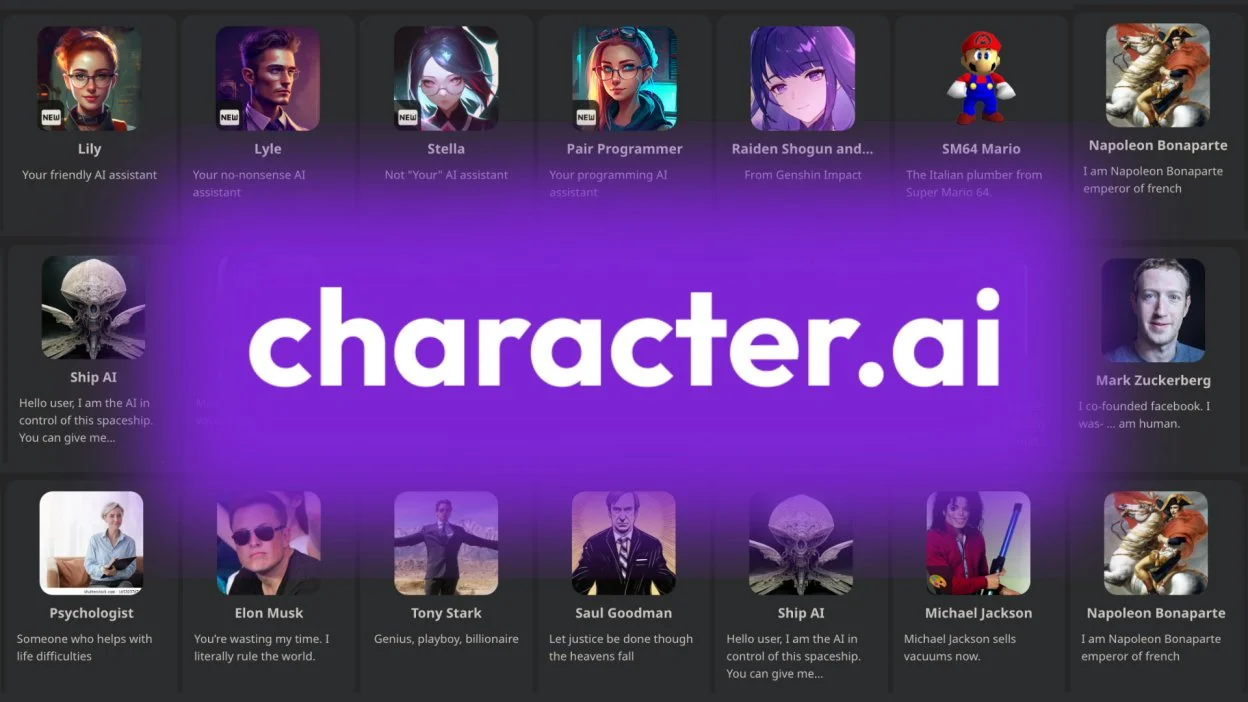
The magic of Character.ai in 2026 lies in its mastery of "narrative gravity." Unlike general-purpose assistants that treat every session as a blank slate, Character.ai uses a sophisticated long-term memory architecture that ensures your "Sarcastic Detective" or "Medieval Queen" remembers your shared history across months of interaction. The user experience is built around immersion—the interface is secondary to the presence of the character. With the 2026 rollout of "Real-Time Voice Calls," the platform has crossed into the multi-modal frontier. You can now hear the specific cadence, regional accent, and emotional tremor in a character's voice, synchronized perfectly with their text output. This high-touch UX design transforms a simple chat into a visceral, almost cinematic experience, proving that for AI to be engaging, it doesn't need to be smarter—it needs to be more human.
Personality as a Service: The Tech Behind the Persona
Technically, Character.ai has pioneered a "Low-Rank Adaptation" (LoRA) framework that allows for hyper-efficient personality fine-tuning. Instead of running a massive, generic model for every user, the 2026 backend utilizes a modular system where "Personality Shards" are layered onto a high-performance core. This allows for millions of distinct personas—from historical figures like Marcus Aurelius to user-generated OC (Original Characters)—to operate with unique linguistic fingerprints without massive latency. Furthermore, the platform has integrated "Group Chat 2.0," an automated orchestration layer where multiple AI entities can debate, collaborate, or roleplay with each other with zero human prompting. This collaborative AI ecosystem has turned the platform into a creative writing hub where the AI acts as a world-building engine, simulating complex social dynamics that feel eerily consistent.
The Persona Ledger: Creative Immersion vs. Ethical Guardrails
As Character.ai becomes a primary source of emotional support and creative output for millions, the balance between creative freedom and safety remains its most contested boundary.
The Personality Simulation Audit
| Immersive Strengths (Pros) | Interaction Hurdles (Cons) |
| Industry-leading "long-term memory" preserves complex roleplay arcs. | Overzealous content filters can occasionally "break character" during intense scenes. |
| Revolutionary real-time voice synthesis with distinct, emotive personas. | Tendency to "hallucinate" facts when used for educational or historical research. |
| Zero-coding character studio allows anyone to build a complex AI persona. | High demand during peak hours can cause response latency or "waiting rooms." |
| Massive community-driven library of millions of free, high-quality characters. | Lack of an official API makes it difficult to integrate personas into external games. |
Character.ai is the tool you use when you want the AI to have a "soul" rather than just an answer. It has successfully specialized in the one thing general LLMs struggle with: staying in character. While it faces stiff competition from "unfiltered" platforms, its 2026 polish and multi-modal breakthroughs make it the definitive choice for writers, roleplayers, and anyone seeking a digital mirror that reflects more than just raw data.