
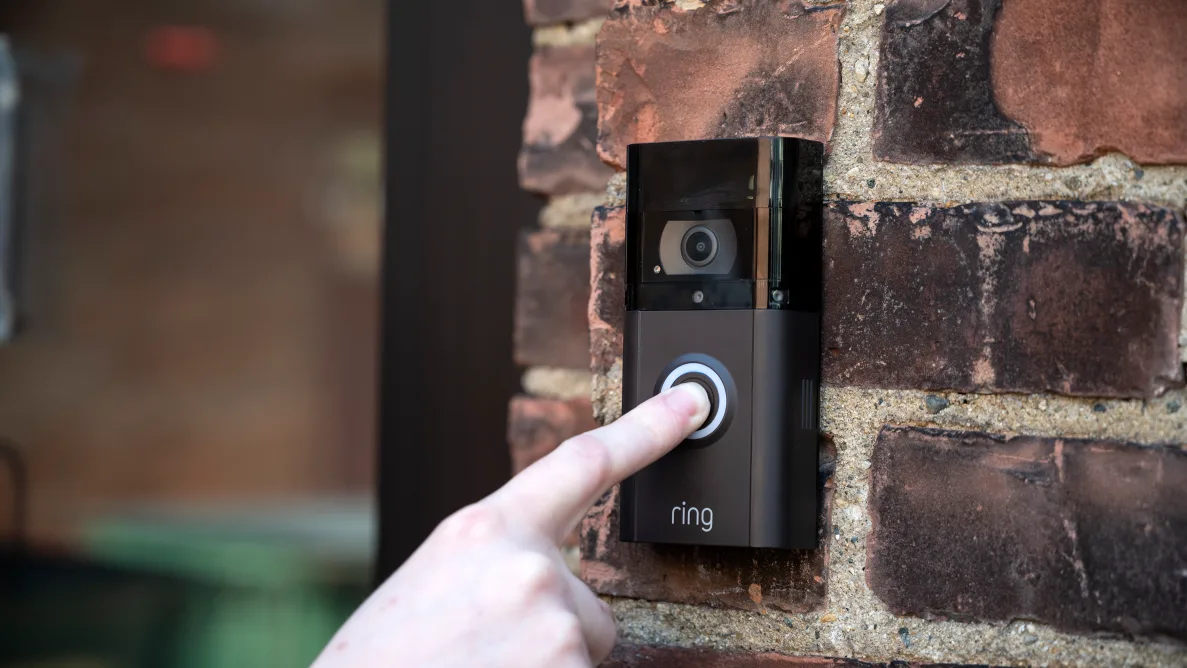
The "Finally!" Moment: Head-to-Toe 4K
The biggest game-changer for me wasn't some hidden menu or a fancy software trick—it was the aspect ratio. Ring finally ditched the old-school widescreen look for a 150° square "Head-to-Toe" view. It sounds like a minor technical tweak, but in the real world, it’s the difference between seeing just the top of a visitor's hat and actually seeing the Amazon box they tucked right against the door. No more guessing games, no more "disappearing package" mysteries. If it’s on my porch, I can see it in crisp, 4K detail.
The experience is managed through the Always Home app. While I’m still a bit salty that they killed the dedicated desktop app in favor of a web dashboard, the mobile experience is snappier than ever. The real MVP, however, is the 3D Motion Detection. Thanks to built-in radar tech, the camera ignores the tree swaying in the wind or the neighbor’s cat and only pings me when someone actually steps into my defined "strike zone."
Then there’s the Bird’s Eye View. This feature gives you a top-down satellite map showing the exact path a visitor took to reach your door. It’s a bit trippy to watch—less like a home movie and more like tracking a flight path—but it’s incredibly effective at showing you if someone was "casing" your windows before they rang the bell.
Agentic Guardianship: The AI-First Security Shift
By 2026, Ring isn't just selling plastic and glass; they’re selling "Agentic" security via the rebranded Ring Protect (RIP to the old Ring Home name). Most AI in tech feels like a marketing buzzword, but the AI Unusual Event Alerts actually pulled their weight during my testing.
The system essentially learns the "vibe" of your front yard. Instead of a generic "Motion Detected" buzz—which I’ve learned to ignore like background noise—I get a notification saying: "A delivery driver in a red vest is placing a large box." That’s the kind of detail that lets me stay on the couch instead of pausing my movie to check the feed.
If you’re the type who loses sleep over security, the Virtual Security Guard tier is the "big guns" option. At $99 a month, it is definitely not for everyone, but you’re essentially hiring a hybrid human-AI task force. When the AI flags a real intruder, a professional agent jumps onto the live feed. They can literally yell a warning through the doorbell’s speaker—which is surprisingly loud—and call the cops if things get hairy. It’s high-stakes defense, and while the price tag is steep, it’s the most robust "hands-off" system I’ve tested lately.
Hardcore Features & Hardware Support
What makes the 2026 Pro lineup stand out isn't just the camera; it's the integration of several high-end features that used to be reserved for enterprise security:
-
Dual-Band 6GHz Wi-Fi 6E Support: This is crucial. 4K video is a bandwidth hog. The new Pro gear utilizes the 6GHz band to ensure that the live feed doesn't stutter even if your kids are streaming 8K video in the living room.
-
Pre-Roll 2.0: You get 6 seconds of full-color, high-definition video before the motion was even triggered, allowing you to see exactly how someone approached your home.
-
Local Storage Edge: While Ring is cloud-first, the Pro models now support an SD card slot for local backup, a massive olive branch to the privacy-conscious crowd.
-
Enhanced Color Night Vision: Using "low-light alchemy," the camera can now render full-color video in near-total darkness without needing a blinding floodlight.
-
Intercom System Integration: If you live in an apartment, the new Ring Intercom allows you to buzz guests in directly from the doorbell interface, bridging the gap between old-school hardware and modern apps.
-
Alexa "Smart Greetings": The AI can actually talk to visitors for you. If you’re busy, Alexa can ask the driver to leave the package behind the planter, and it records the whole interaction.
The Reality Check: The Price of Ubiquity
It’s not all 4K rainbows. Ring is an Amazon company, and that comes with a specific set of trade-offs. The ecosystem is unrivaled if you use Alexa, but if you’re a dedicated Apple HomeKit or Google Home user, you’re going to feel like a second-class citizen.
Then there’s the "Subscription Creep." It feels like every year, another cool feature gets moved behind the Ring Protect paywall. If you want the AI alerts and the 3D tracking history, you have to pay. And while the hardware is top-notch, these Pro cameras have a large physical footprint. If you have a narrow door frame or a historic home, mounting these "bricks" might require some creative carpentry.
The Security Ledger: 2026 Audit
| The Wins (Pros) | The Gripes (Cons) |
| Unrivaled Ecosystem: Works flawlessly with Alexa and Fire TV devices. | Subscription Lock-in: The best AI features are pay-to-play. |
| Radar Precision: 3D Motion Detection drastically reduces annoying false alerts. | Privacy Trade-offs: Cloud-only features remain a concern for some. |
| Video Clarity: 4K "Head-to-Toe" view leaves no blind spots on the porch. | Limited Portability: Native Apple Home and Google Home support is still missing. |
| AI Intelligence: Contextual alerts actually tell you what is happening, not just that it's happening. | Bulky Design: The Pro hardware is significantly larger than "dumb" doorbells. |
2026 Reality Check
-
Hardware Quality: 9.2/10
-
App UX & Reliability: 8.8/10
-
AI & Innovation: 9.5/10
-
Privacy & Openness: 6.5/10
-
Overall Grade: A
Ring remains the most accessible and powerful security solution for the modern home. It proves that the value of a doorbell in 2026 lies not in its chime, but in its intelligence. It is a testament to the power of a connected community, where your individual front porch becomes a critical sensor in a larger, safer network.